Leasing vs. Buying Work Vehicles: Which Option Is Right for Your Business?
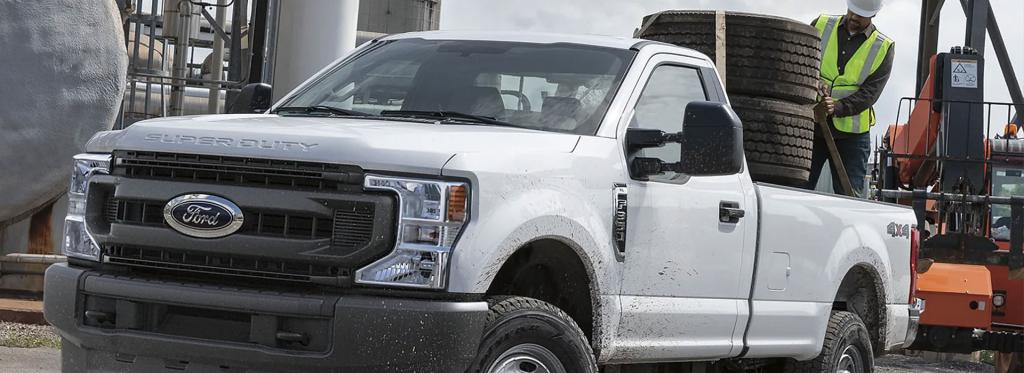
For Canadian businesses that rely on cargo vans, pickup trucks, straight trucks, and other commercial vehicles, deciding whether to lease or buy is an important strategic decision. Your fleet is not just a transportation expense — it is a core part of your operations. The right structure can affect your cash flow, scalability, and long-term profitability.
Whether you operate in construction, HVAC, delivery, property services, or another trade-based industry, understanding the advantages of both buying and close-ended leasing can help you make an informed decision.
Buying Work Vehicles: Ownership and Long-Term Value
Purchasing commercial vehicles outright or through financing gives your business full ownership. For companies that plan to keep vehicles for many years, ownership can provide long-term control and flexibility. There are no contractual mileage limits, and once the vehicle is paid off, it remains an asset on your books.
Buying can make sense for businesses with strong capital reserves and stable fleet requirements. If you intend to operate vehicles well beyond typical replacement cycles, ownership may offer value over time.
However, purchasing also means your business absorbs depreciation risk. Commercial vehicles lose value, and resale markets can fluctuate. Managing trade-ins or private resale requires time and market awareness. Additionally, significant upfront investment can limit access to capital that might otherwise be used for hiring, expansion, or equipment upgrades.
For some organizations, buying aligns well with their long-term strategy. For others, flexibility and capital preservation become more important factors.
Close-Ended Leasing: Predictability and Flexibility
Close-ended leasing offers a structured approach to fleet acquisition. With a defined term — typically 24 to 60 months — businesses benefit from predictable monthly payments and clear end-of-term options.
This predictability supports easier budgeting and long-term planning. Rather than managing resale values, companies operate within a predetermined agreement and can return, extend, or replace vehicles at lease end. For many businesses, this creates a smoother replacement cycle and helps keep vehicles newer and under warranty, reducing unexpected downtime.
Leasing also allows companies to preserve capital. Instead of committing large upfront funds to vehicle purchases, businesses can allocate resources toward growth initiatives or operational improvements.
For growing fleets or organizations that anticipate change — whether through new contracts, seasonal demand, or expansion into new markets — close-ended leasing often provides greater adaptability.
The Added Value of Leasing Through a Fleet Management Partner
One of the most significant advantages of leasing through a fleet management provider is the support that extends beyond the vehicle itself.
A fleet partner can assist with vehicle selection, ensuring the right specifications for your industry and workload. Upfitting coordination — such as shelving, ladder racks, safety equipment, and branding — can be integrated into your lease structure, simplifying budgeting and ensuring vehicles arrive work-ready.
Fleet management providers also support maintenance coordination, fuel programs, telematics integration, and lifecycle planning. Access to reporting and utilization data helps businesses control operating costs, improve safety, and optimize replacement timing.
While it is possible to manage these components internally, many businesses find that working with a fleet partner reduces administrative burden and improves overall efficiency.
Finding the Right Fit for Your Business
There is no universal answer to whether leasing or buying is better. The right choice depends on your financial structure, growth plans, and operational priorities.
Buying may suit businesses with long-term ownership goals and available capital. Close-ended leasing may be better suited for companies seeking predictable costs, preserved cash flow, structured fleet cycles, and ongoing fleet support.
For many Canadian businesses that rely heavily on work vehicles, leasing — particularly through a fleet management provider — offers a balanced combination of flexibility, predictability, and operational oversight.
If you are evaluating your options for commercial vehicle leasing or purchasing, the Somerville National Leasing team can help you compare both approaches based on your specific fleet needs. We work with businesses across Canada to structure solutions that support productivity, financial planning, and long-term fleet performance.
If you are curious about leasing or simply exploring your next fleet move, connect with the Somerville team to learn how we can support your business and fleet operations!
